
Weightlifting at the 2024 Summer Olympics
Reduced categories and athlete quotas marked Paris 2024 weightlifting.
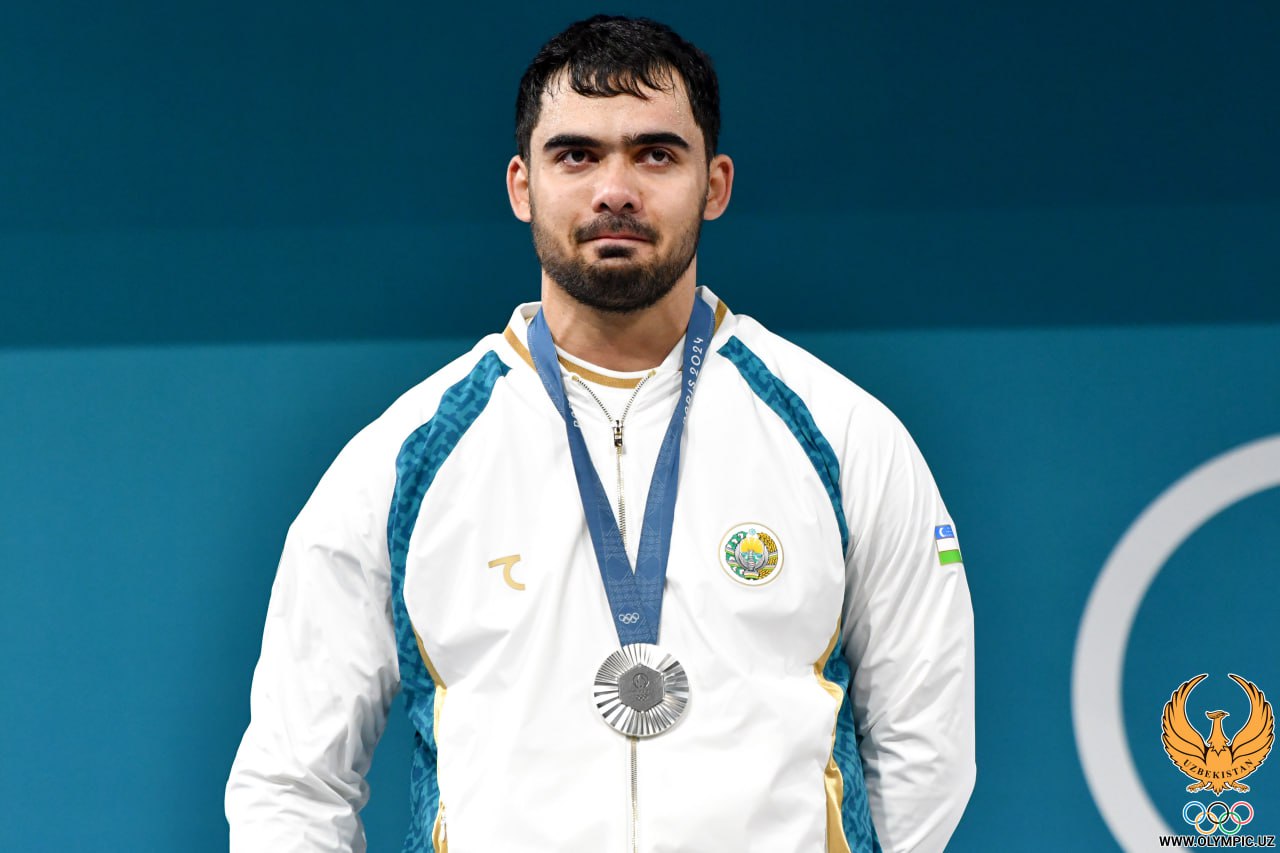
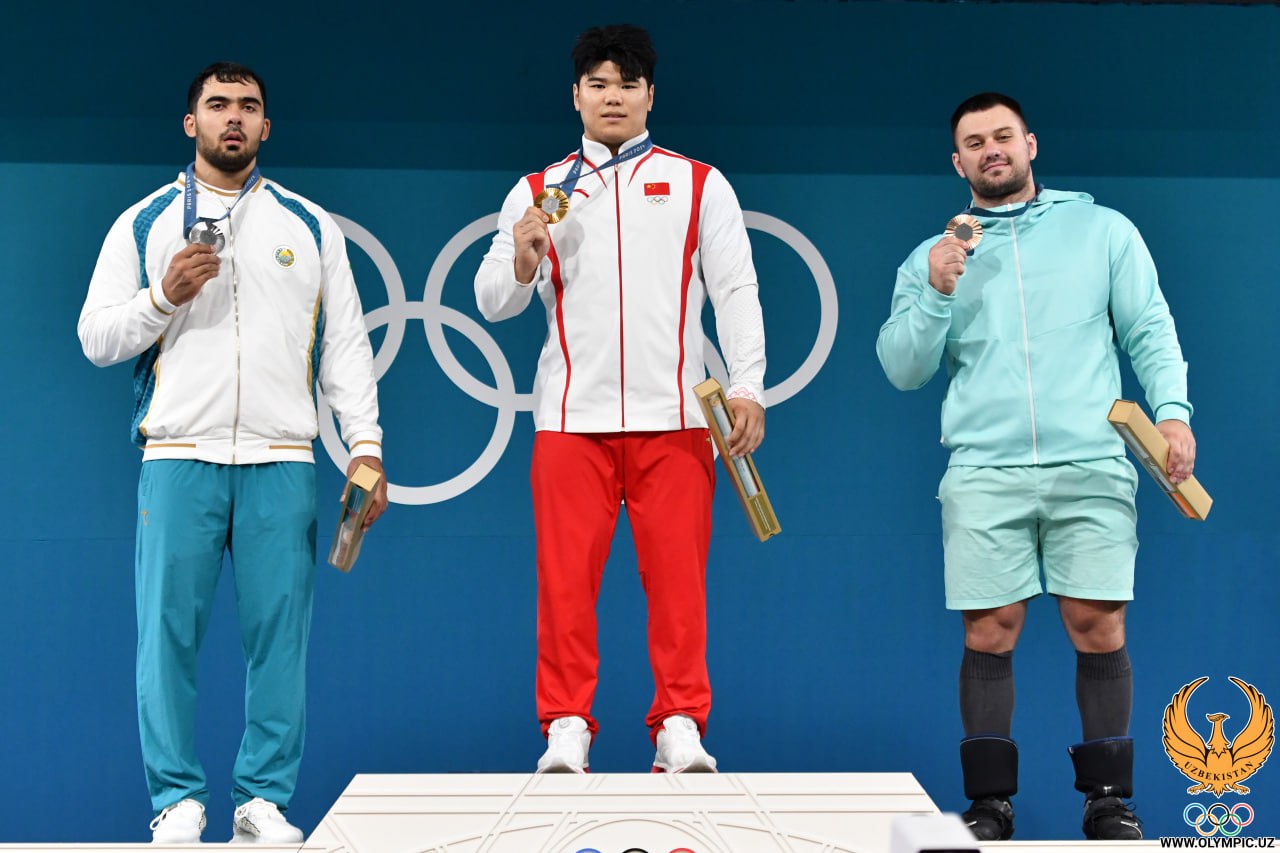
The weightlifting events for the 2024 Summer Olympics were held from 7 to 11 August at the Paris Expo Porte de Versailles. The program saw major changes from the previous Games: the number of weight classes dropped from fourteen to ten, and the total number of competitors fell from 196 to 120, with an equal number of men and women.
Qualification was based on a total of 120 quota places, split evenly between genders—a reduction of nearly 80 spots from Tokyo 2020. Each National Olympic Committee could enter up to three weightlifters per gender, with only one per bodyweight category. Over 83% of the quota was awarded to the top ten athletes in each of the ten weight classes according to the IWF Olympic Qualification Ranking list, which ran from 1 August 2022 to 28 April 2024. An additional five spots per gender went to the highest-ranked weightlifter from each continent (Africa, the Americas, Asia, Europe, and Oceania) who was not already in the top ten. France, as the host nation, reserved two men's and two women's places. A further three places per gender were granted to eligible NOCs under the Universality principle.
The competition format was announced on 14 June 2022, when the IWF confirmed the new weight categories, reducing the total medal events from fourteen to ten. The men’s 61 kg and 73 kg categories, and the women’s 49 kg and 59 kg categories, were carried over from Tokyo 2020. The official list of weight categories for men and women was published.
A total of 57 nations participated in the weightlifting events.
- event_dates
- 7 to 11 August 2024
- venue
- Paris Expo Porte de Versailles
- number_of_categories
- 10 (5 men, 5 women)
- total_athletes
- 120
- participating_nations
- 57
- host_nation
- France
Lore & Background
The International Weightlifting Federation announced the new weight categories on 14 June 2022, trimming the medal count from fourteen to ten. Among the retained categories from Tokyo 2020 were the men's 61 kg and 73 kg, and the women's 49 kg and 59 kg. Qualification was based primarily on the IWF Olympic Qualification Ranking list from 1 August 2022 to 28 April 2024, awarding over 83% of the 120 quota places to the top ten ranked lifters per category. Additional spots were given to continental representatives, host nation France, and through the Universality principle.
Reader's Guide
The 2024 Summer Olympics weightlifting program marked a significant contraction from the Tokyo 2020 Games, reducing both the number of medal events (from 14 to 10) and the total number of athletes (from 196 to 120). This change reflected ongoing efforts by the International Weightlifting Federation to streamline the sport and address doping concerns. The equal split of 60 men and 60 women across ten weight classes maintained gender parity. Qualification was heavily weighted toward the IWF Olympic Qualification Ranking list, with continental representation and host nation quotas providing additional pathways. The event took place over five days at the Paris Expo Porte de Versailles, with 57 nations participating. The reduction in categories and athletes made the competition more selective, emphasizing the top-ranked lifters globally.
Did You Know?
- The number of weightlifting categories was trimmed from fourteen in Tokyo to ten in Paris.
- 120 weightlifters competed, a drop from 196 at the previous Games.
- Over 83% of quota places were awarded via the IWF Olympic Qualification Ranking list.
- Host nation France reserved two men's and two women's quota places.
A Leaner Program on the Paris Stage
The weightlifting program at the 2024 Paris Olympics represented a significant structural contraction compared to what fans had witnessed in Tokyo. The International Weightlifting Federation, in a decision officially communicated on 14 June 2022, reduced the total number of medal events from fourteen to ten, effectively eliminating four weight classes from the Olympic roster. While the men's 61 and 73 kilogram divisions and the women's 49 and 59 kilogram categories carried over from the 2020 Games, the remaining slots were reconfigured to produce a slimmer, more focused competition. The trimmed program meant that the total field shrank dramatically: where 196 athletes had competed in Tokyo, only 120 weightlifters—split evenly between men and women—contested the ten Paris weight classes. The entire competition was staged over five days, from 7 to 11 August, at the Paris Expo Porte de Versailles, a venue that hosted the condensed yet still globally significant event.
Engineering the Path to Paris
The qualification pathway for Paris 2024 was a tightly engineered system designed to reward sustained excellence while preserving geographic diversity. The dominant mechanism was the IWF Olympic Qualification Ranking, a biennial window spanning from 1 August 2022 through 28 April 2024, which allocated over eighty-three percent of the 120 available quota places. Under this system, the ten highest-ranked lifters in each of the ten weight classes earned their spots automatically. Beyond that core, five additional places per gender were reserved for the highest-ranked athlete outside the top ten who represented a continent—Africa, the Americas, Asia, Europe, or Oceania—still lacking a qualifier from that region. France, as host nation, received two men's and two women's guaranteed entries, while the Universality principle granted three extra spots per gender to eligible national committees. Altogether, these mechanisms produced a field roughly eighty places smaller than Tokyo's.
Limits, Nations, and the Shape of Competition
The Paris weightlifting event brought together 57 participating nations, each navigating a set of strict entry rules that shaped the competitive landscape. No national Olympic committee could field more than three weightlifters of a given gender, and within that cap, only one athlete per bodyweight category was permitted. This meant that even a powerhouse nation with deep talent in a single division could not stack the podium with multiple competitors from the same weight class. The equal gender split—exactly sixty men and sixty women across the ten categories—ensured that the program maintained parity in representation. The reduction from Tokyo's 196-athlete field to Paris's 120 meant that every single spot carried heightened stakes, and the combination of the ranking-based allocation, continental wildcards, host guarantees, and universality slots created a qualification architecture where a single missed lift in the ranking window could cost a nation an entire Olympic berth.
The IWF's Regulatory Hand
Behind the scenes, the International Weightlifting Federation exercised considerable authority over the Paris program's architecture. The official announcement of the new weight categories on 14 June 2022 set the template for what would be contested, and the biennial qualification ranking window—running from 1 August 2022 to 28 April 2024—gave the IWF a defined period to measure and rank athletes across all ten divisions. The federation's decision to cut the program from fourteen medal events to ten was not merely a scheduling convenience; it restructured the entire competitive ecosystem, reducing the total quota from approximately 196 to 120 places and forcing a more concentrated field. The continental representation mechanism, which guaranteed one spot per region per gender outside the top ten, reflected the IWF's commitment to global participation even as the overall numbers contracted. Together, these regulatory choices defined the character of a competition that, while smaller in scale, retained its global reach across 57 nations.
Gallery
Frequently Asked Questions
When and where did weightlifting take place at the 2024 Summer Olympics?
The ten weightlifting competitions ran from 7 to 11 August 2024. All sessions were staged at the Paris Expo Porte de Versailles venue in the French capital.
How many weight classes were there at Paris 2024 compared to Tokyo 2020?
The program was trimmed from fourteen categories to just ten, split into five men's and five women's divisions. This cut also brought the overall athlete quota down from 196 to 120, with an equal 60 spots for each gender.
How did athletes qualify for weightlifting at the 2024 Olympics?
A total of 120 quota places were distributed, with each National Olympic Committee limited to three lifters per gender and only one athlete per bodyweight category. This represented a reduction of nearly 80 spots from the previous Games.
How many countries sent weightlifters to Paris 2024?
Fifty-seven nations fielded competitors across the ten weight classes. France, as the host nation, was among the participating countries.
Why did the 2024 weightlifting program shrink so much?
The International Weightlifting Federation restructured the Olympic program, consolidating fourteen old divisions into ten and capping the total roster at 120 athletes. The goal was to create a more manageable and evenly gendered competition field.
More in Weightlifting at the Summer Olympics 1-24
Spotted an error? Know more?
This is a living reference — every entry is fact-audited, and reader corrections feed straight into our audit queue. Suggest an edit · See this site's audit record