
Weightlifting at the 2012 Summer Olympics
Fifteen gold medals; many later stripped for doping.
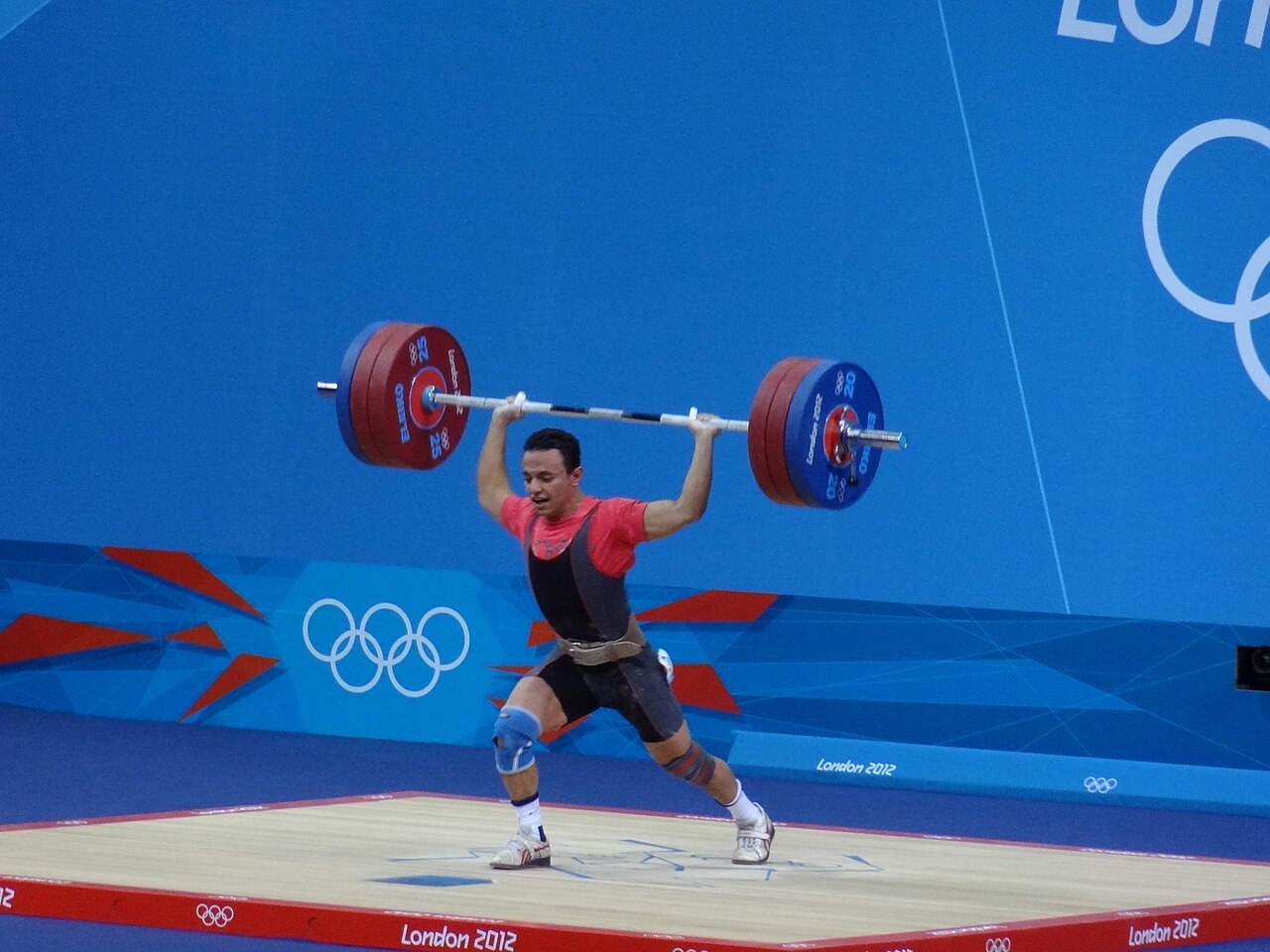
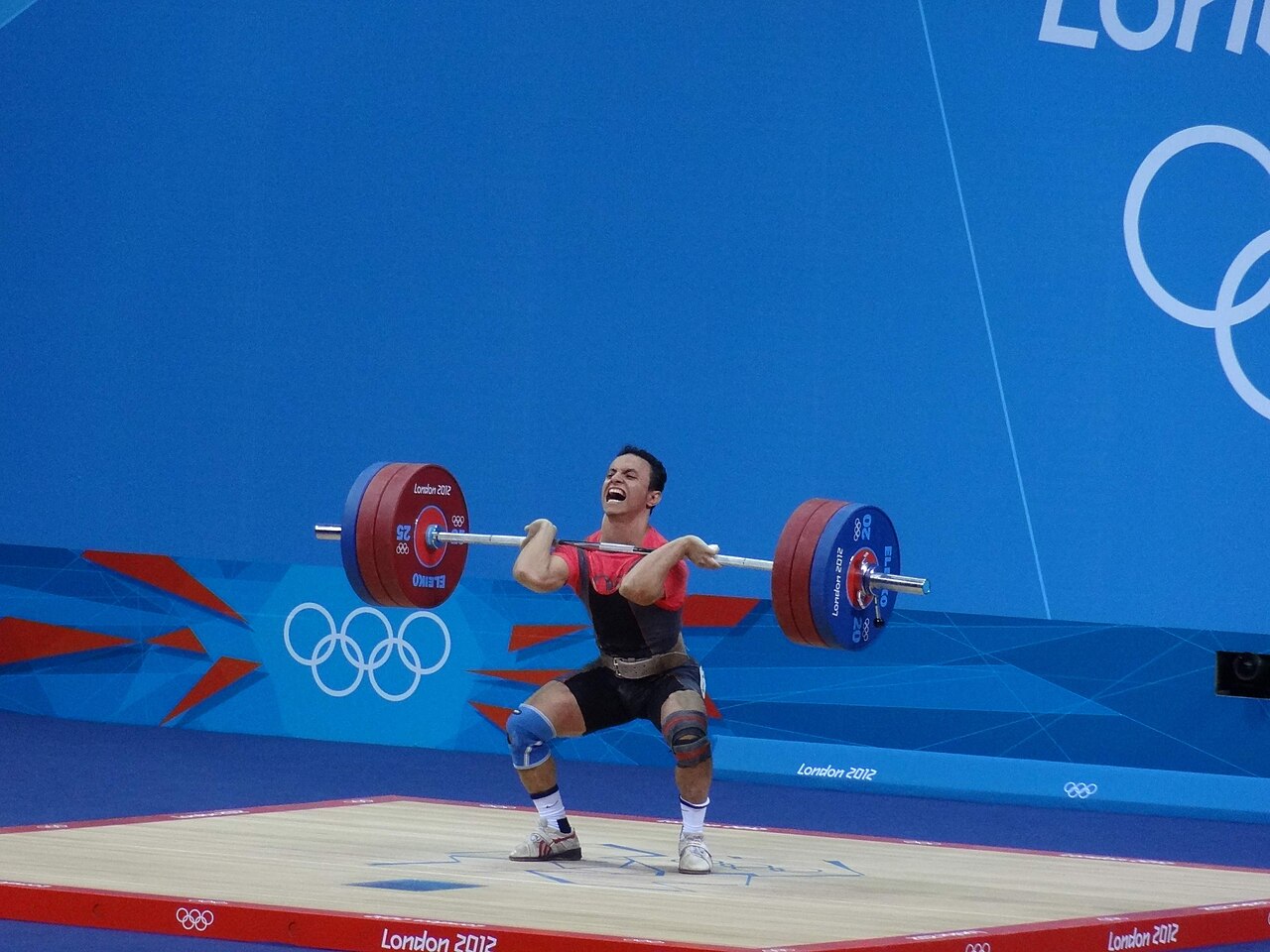
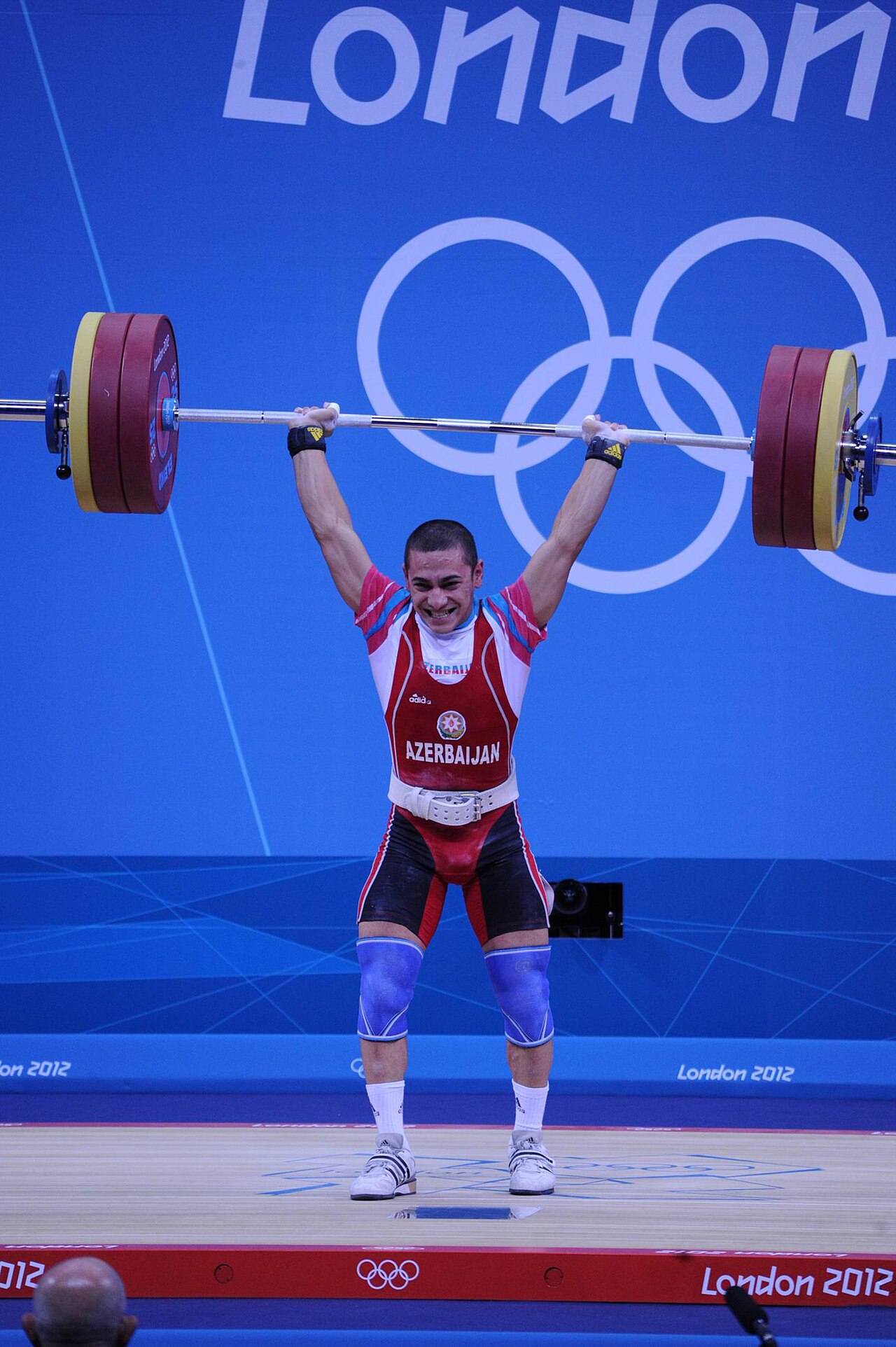
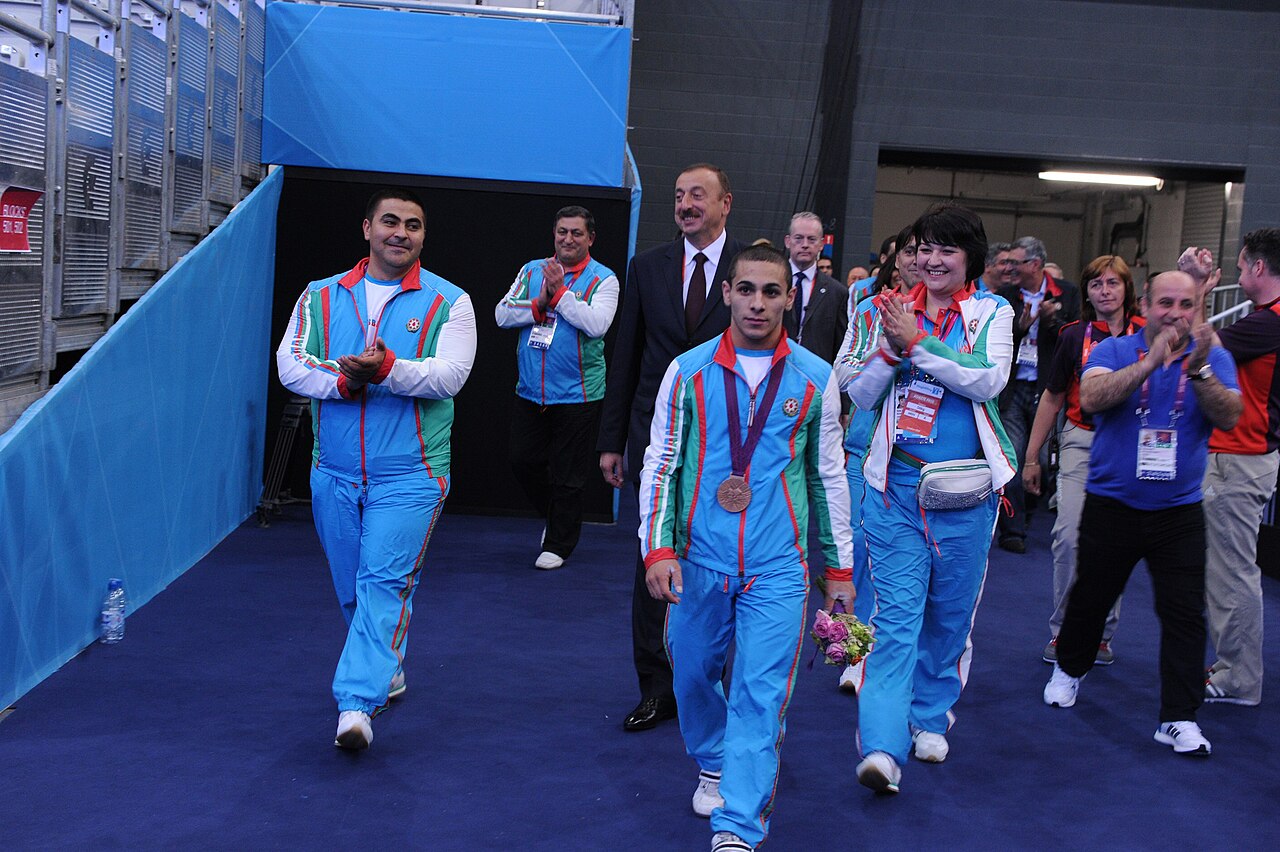
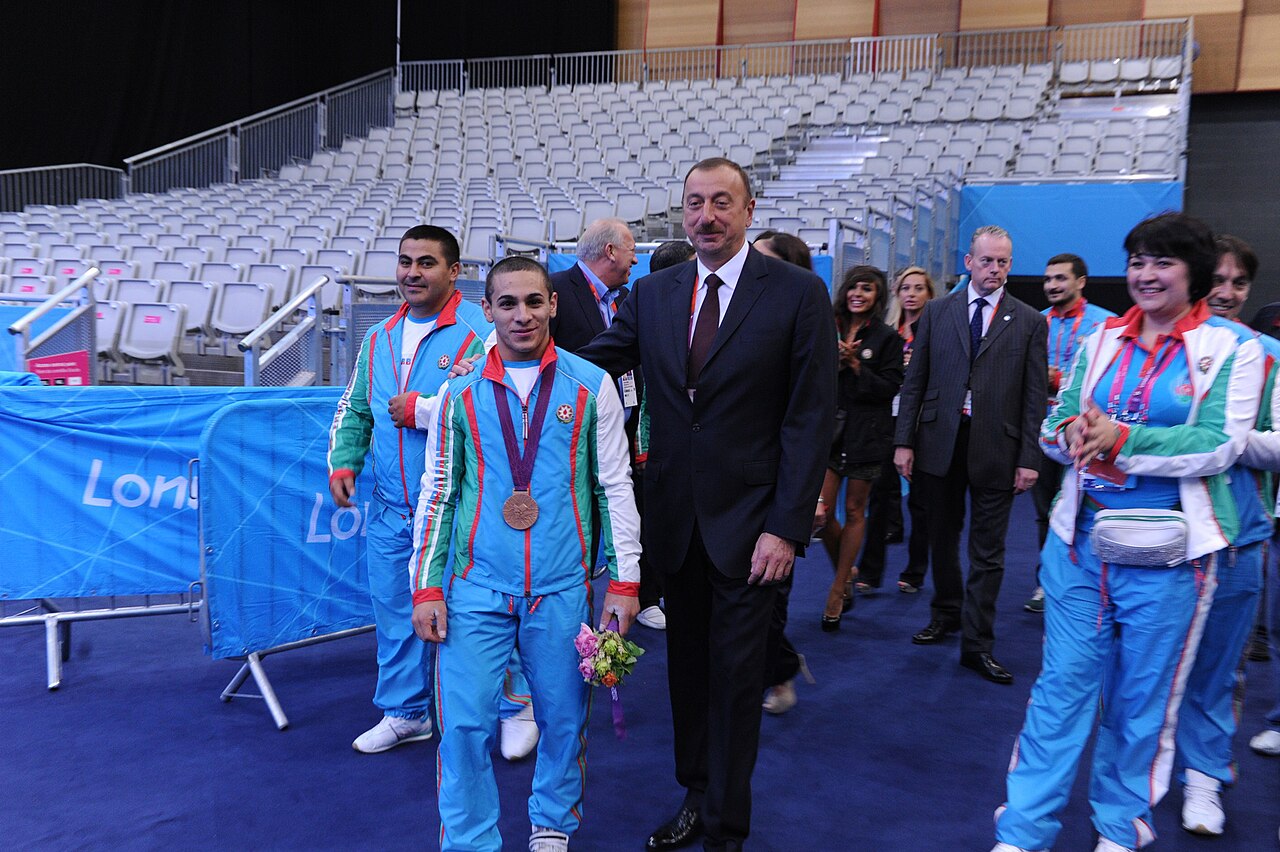
The weightlifting events at the 2012 London Summer Olympics took place from 28 July to 7 August at the ExCeL venue. A total of 260 athletes—156 men and 104 women—competed for 15 gold medals. The official results were later heavily altered following the discovery of doping violations through retests of samples collected during the Games.
- venue
- ExCeL, London
- dates
- 28 July – 7 August
- gold medals awarded
- 15
- total athletes
- 260
- men athletes
- 156
- women athletes
- 104
Lore & Background
The 2012 Olympic weightlifting competition saw 15 sets of medals awarded across men's and women's events. However, the results were heavily revised after retests of samples from these Games uncovered widespread doping. Multiple medalists were disqualified, including gold medalists Ilya Ilyin (men's 94 kg), Maiya Maneza (women's 63 kg), and Svetlana Podobedova (women's 75 kg).
Reader's Guide
The 2012 Olympic weightlifting competition is notable for the extensive doping disqualifications that followed. Retests of samples led to the stripping of medals from numerous athletes across multiple weight classes. For example, in the men's 94 kg event, the original gold, silver, and bronze medalists were all disqualified, along with three other competitors. Similarly, in the women's 75 kg, all three medalists were disqualified. These revisions underscore the impact of retrospective doping testing on Olympic history and highlight the ongoing challenge of ensuring fair competition in weightlifting.
Did You Know?
- 260 athletes took part: 156 men and 104 women.
- Fifteen gold medals were awarded in total.
- Men's 94 kg original gold, silver, and bronze medalists were all disqualified after retests.
- Women's 75 kg original gold, silver, and bronze medalists were all disqualified after retests.
The Unprecedented Dual-Award Bidding
The bidding process for the 2028 Los Angeles Games unfolded in a way never before seen in Olympic history. What began as a five-city race for the 2024 Summer Olympics—featuring Budapest, Hamburg, Los Angeles, Paris, and Rome—quickly narrowed after three cities withdrew. With only Los Angeles and Paris remaining, the IOC executive board convened in Lausanne in June 2017 to explore a novel solution: awarding both the 2024 and 2028 Games simultaneously. An Extraordinary IOC Session approved this approach on July 11, 2017. Paris, whose selection would coincide with the centennial of its 1924 Games, was understood as the preferred 2024 host. On July 31, 2017, the IOC designated Los Angeles as the sole 2028 candidate, backed by $1.8 billion in additional IOC funding. The Los Angeles City Council voted unanimously in favor on August 11, and on September 13, 2017, the IOC formally awarded the Games by unanimous vote at the 131st Session in Lima, Peru.
From Car-Free Dreams to Transit-First Reality
Los Angeles initially envisioned a car-free 2028, a bold pledge to slash congestion and ease security logistics around venues. Former Mayor Eric Garcetti launched the Twenty-eight by '28 initiative, targeting 28 infrastructure projects funded through Measure R and Measure M sales taxes. Mayor Karen Bass later added strategies like encouraging remote work during the Games to ease transit demand. However, by March 2024, the original project list had been substantially revised: eleven entries, including five rail line expansions, were swapped for smaller, more achievable efforts. By late 2024, observers flagged that only 5.2% of LA Metro's $3.3 billion Olympic-related project budget was actually funded, with several projects lagging behind schedule. Compounding these issues were staffing uncertainties at government agencies, coordination challenges between departments, and the late finalization of the venue list. Faced with these realities, civic leaders shifted their public messaging from a fully car-free Games to a more pragmatic transit-first approach.
A Refreshed Olympic Program
The 2028 Games will showcase a notably evolved sporting program. Three sports—skateboarding, sport climbing, and surfing—that debuted as optional events in 2020 have been elevated to the core program, signaling their permanent place in the Olympic family. Beyond that, flag football and squash will make their Olympic debuts as optional sports. The Games also welcome back baseball and softball, while cricket returns for the first time since 1900 and lacrosse reappears as a medal event for the first time since 1908. This blend of new additions, revived disciplines, and promoted core events reflects the IOC's ongoing effort to keep the program relevant to modern audiences while honoring historical traditions. The breadth of the program, spread across the Greater Los Angeles area and two subsites in Oklahoma City, underscores the scale of what organizers must coordinate over the July 14–30, 2028, window.
Historic Milestones and a New Era
The 2028 Los Angeles Games carry a weight of historical firsts. They will mark the fifth Summer Olympics and ninth Olympic Games overall hosted on U.S. soil, and they will make Los Angeles the third city to host the Summer Olympics three times—joining London (1908, 1948, 2012) and Paris (1900, 1924, 2024). Crucially, Los Angeles will be the first non-European city to achieve that three-time distinction. The Games will also be the first held under the IOC presidency of Kirsty Coventry, adding another layer of institutional transition. IOC president Thomas Bach, during the awarding ceremony, specifically praised the Los Angeles bid for its reliance on a record-breaking number of existing and temporary facilities and for depending entirely on private funding. By October 2017, the state of California had officially endorsed the bid, and public opinion polls at the time showed over 88% of Angelenos in favor, though a 2023 Suffolk University and LA Times poll indicated sentiment had shifted, with 57% viewing the Games positively and 20% seeing a negative impact.
Gallery
Frequently Asked Questions
Where and when did weightlifting take place at the 2012 Summer Olympics?
The weightlifting competition was held at the ExCeL centre in London, running from 28 July through 7 August 2012.
How many athletes competed in the 2012 Olympic weightlifting events?
A total of 260 lifters took part, split into 156 men and 104 women across the various weight classes.
How many gold medals were on the line in weightlifting at London 2012?
Fifteen gold medals were originally awarded, one for each weight category.
What happened to the 2012 weightlifting results after the Games?
Many of the official results were later overturned because retests of the athletes' samples revealed doping violations, leading to stripped medals and re-allocated titles.
Why do fans often debate the 'true' winners of the 2012 weightlifting events?
Because a significant number of the originally awarded golds were subsequently revoked for anti-doping breaches, the final standings shifted well after the competition ended, making the clean winners a point of ongoing discussion among fans.
More in Weightlifting at the Summer Olympics 1-24
Spotted an error? Know more?
This is a living reference — every entry is fact-audited, and reader corrections feed straight into our audit queue. Suggest an edit · See this site's audit record